

The NDP’s Identity Crisis
Stuck between its past and present, the party can’t decide who it’s for

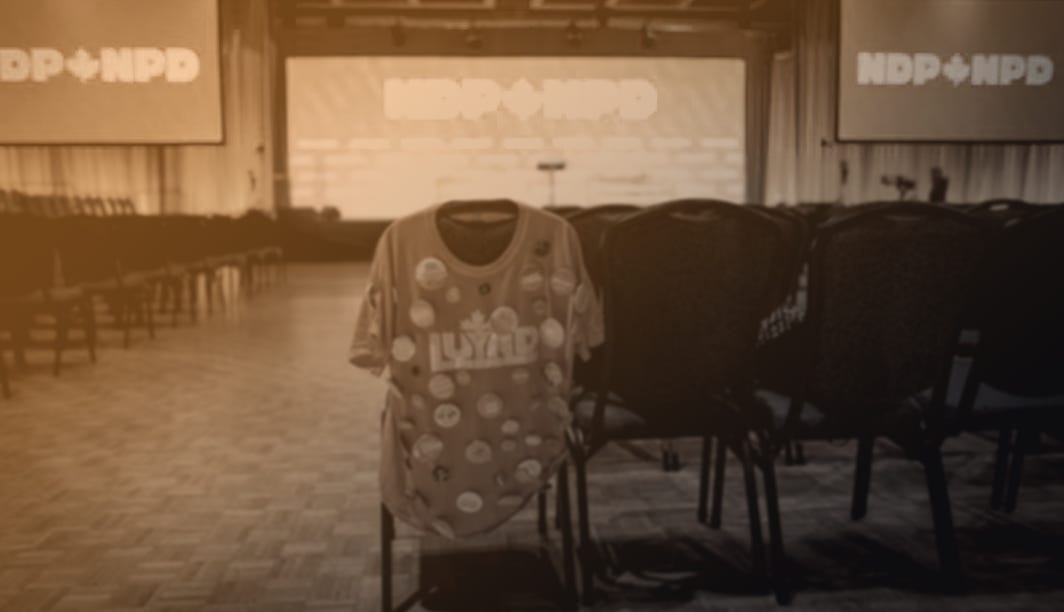
The New Democratic Party of Canada, as you will hear for months and likely years from now, is in a dire situation.
After being delivered their single worst electoral result in the history of the party, and with their coffers bone dry and fundraising efforts struggling to pay the rent, they need something of a miracle to survive the oncoming storm.
It’s not the first time the party has been in this situation. The 2025 election echoes the 1993 election quite a bit, when Audrey McLaughlin had to face what was then the worst result for the party, falling from 44 seats to 9 and receiving only 6.9 percent of the vote.
Can a new leader help the party rise from the ashes like Layton once did? Maybe. But I think the problem with the NDP lies at its roots, both as an organization and in where it stands on the issues.
This article is different from what I normally write, but given the lull we find ourselves in, and the veritable drought of new polling, I figure this is as good a time as any.
The Lesson That Wasn’t Learned From 2017
In the past month, we received the rules and procedures for the upcoming NDP leadership election, and there’s much to be desired in the program.
I’ve seen many progressives and leftists say the 100,000 dollar entry fee for leadership contestants is too high of a bar and will prevent grassroots candidates from entering the race, leaving the doors open only to those with connections and positions of power. In this case, existing members of parliament.
My hot take on the fee is that it’s acceptable, and any serious candidate worth their salt should be able to raise 100,000 dollars over half a year, especially for a federal party. If you’re concerned about the wellbeing of the party, then having a leader who is able to fundraise is important. This is especially true given the NDP is deep in the red after it failed to receive candidate rebates in 85 percent of ridings this election, while also enduring a lacklustre fundraising period, raising less in the last six months than it did in the 2021 election period.
One of the biggest lessons I think the party failed to learn from 2017 was the one member, one vote system they used to elect Jagmeet Singh, someone the party would try, and fail, to create a pseudo cult of personality around.
The points-based system that Liberals and Conservatives use is not without its issues, but any serious leadership candidate should be able to win enough support across a myriad of ridings to hit the points needed to win, instead of racking up votes in Brampton or Vancouver alone.
If the NDP wants to be serious about winning elections, they need to learn how to diversify their base, something they have been struggling and failing to do for more than a decade.
Urbanites Can’t Be Your Only Path To Victory
Anyone who knows their Canadian electoral history knows the NDP used to be a party that did quite well in both urban and rural ridings alike. This was a party that used to routinely win seats in the Prairies and other rural regions like Northern Ontario and the interior of British Columbia.
Times change, and so do people’s politics. But to pin the NDP’s failure to win over working-class Canadians on that alone is a cop out, to put it mildly. This is a party that, for better or worse, has shifted its attention over the years from its broader working-class base to those more centred in the deep cores of our metros, like downtown Toronto, Vancouver, or Montreal.

While the NDP does well among younger, more urban voters, that playbook has failed to win the party any new seats in Canada’s big cities, never mind the fact that the party continues to bleed its remaining rural seats, which they have almost entirely lost at this point.
When you have a candidate running in a very rural by-election, the response should not be to throw up your hands and say, "It’s a rural riding, what’s the point in appealing to these voters." Maybe sit down and think about what you can do as a party to entice those folks to at least consider you as a serious option.
Fighting for retail and service workers is important and something the NDP should continue to do. But that shouldn’t come at the expense of rural and blue-collar workers, whom Conservatives have been able to capitalize on so easily, thanks to the other parties effectively ignoring that voter base.
So, how can the NDP rebrand itself and move forward? Allow me to spill forth just a few policy ideas and wrap up this piece.
Time To Get Creative
The NDP would do itself a lot of good by appealing to working-class voters across the board, especially among those traditional voting blocs for the party, like blue-collar union workers who have steadily shifted toward the Conservatives over the years.
There are a number of ways you could go about this, but I think the two takeaways are development and language.
When I say development, I mean the building of new infrastructure or resource extraction—industries that Canadians directly engage in and that help to physically build up our economy and society. Whether that’s expanding NDP support for raw resource jobs, farming, or the energy sector, it’s an easy way to claw back support for the party.
Alberta and Saskatchewan derive more than 85 percent of their domestic electricity production from fossil fuels. Would it not make sense for a prospective NDP government to work with those provinces to build nuclear power plants, helping to reduce emissions while creating more sustainable power generation for the long haul?
And what about housing or transit? The NDP could be out there promising to create a new crown corporation to build public housing en masse to meet the challenge of unaffordable housing. They could also be the party of national infrastructure projects, like high-speed rail lines from coast to coast, or leading the way with new tech investments and programs to fight climate change.
When it comes to the language part of that, I’m talking about how the NDP presents itself to the public. Progressives have fallen into this socially suicidal pit of overly academic language and terms that immediately turn off your average voter, especially more working-class folks.
I can’t help but circle back to the NDP’s leadership rules that require 50 percent of signatures for a leadership campaign to be from those who don’t identify as cis men. Maybe this is a searing hot take, but I firmly believe you can create a party that is representative of the Canadian population without functionally shunning many of the people that you need to be a part of your coalition in order to win seats.
In the current media environment we find ourselves in, a party cannot afford to get bogged down trying to appeal to everyone by using overly policed language, only to end up appealing to no one.
There are policies that the NDP has long strived for that I think are a boon to continue pushing forward.
The promise of a public option to cover prescriptions, dental, vision, and more is a fundamentally good piece of policy for a progressive party to hold, never mind the benefits it provides to citizens’ health.
Likewise, focusing on closing tax loopholes for the richest corporations and individuals benefits our society. Though, it would be even more appealing if working Canadians saw more tangible benefits from such a move, like more money in their pockets or their services actually being funded with federal investments.
In The End…
This won’t be the last time I focus on the NDP leadership race or the party’s situation at large. We’ll have to see who enters the race and what vision those leadership hopefuls lay out for the party.
Ultimately, the fate of the NDP is up to the party itself, but we’ll be watching to see what they do, and whether they finally decide to change course.